
As a homeowner, you’re likely diligent about the basics—mowing the lawn, touching up paint, and cleaning regularly. But what about the critical home maintenance tasks you don’t see
Dated: December 14 2022
Views: 666
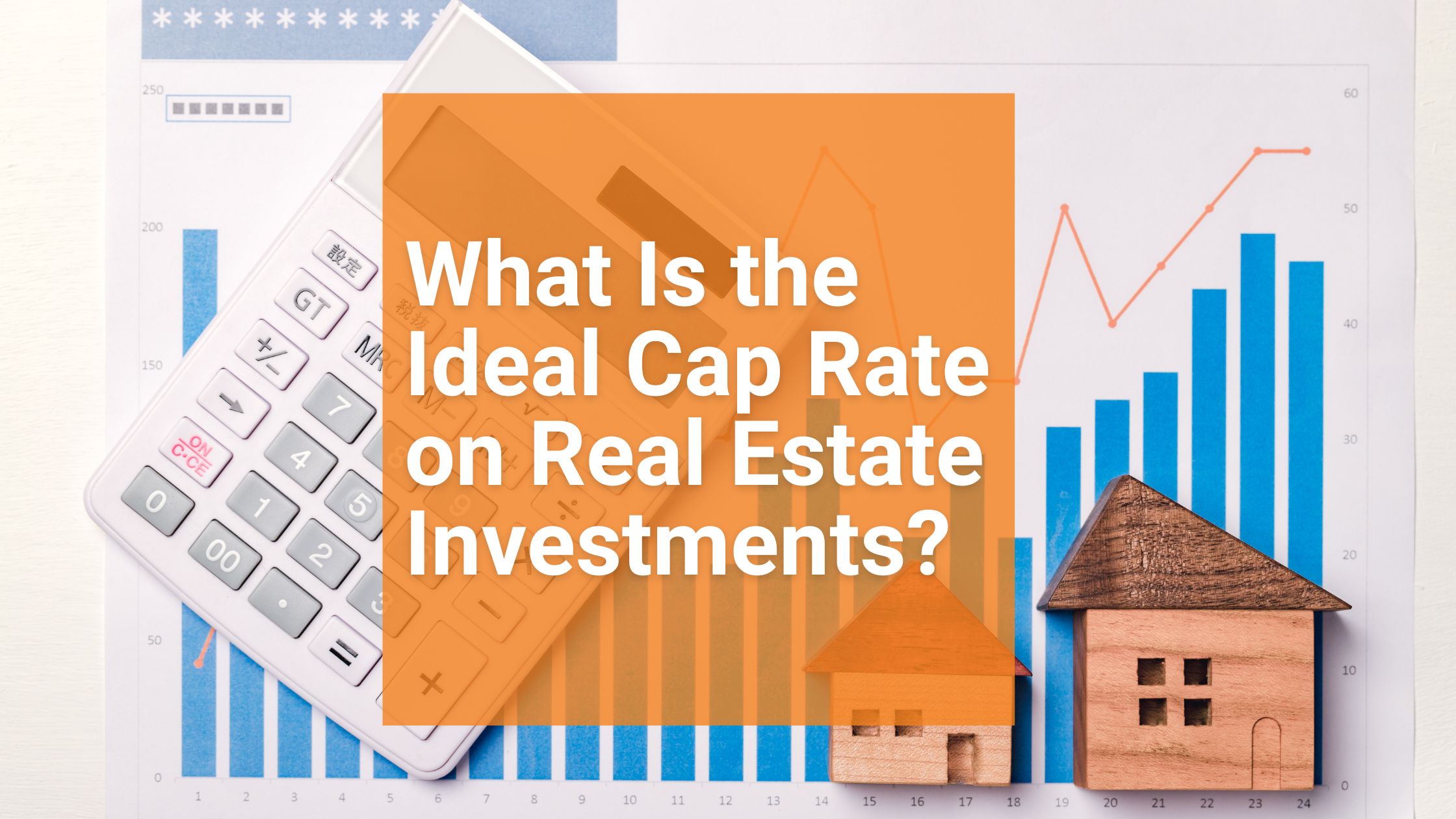
The capitalization rate, or cap rate, is the expected rate of return on an investment property.
When it comes to evaluating investment options, cap rates can help you compare the level of risk and return on multiple similar properties. However, cap rate isn’t the only factor to consider.
Whether you are looking to purchase a residential rental property or a commercial space, cap rate will help you determine how quickly you will make back the money you’ve invested.
The cap rate of an investment property is expressed as a percentage. This number indicates how much of your investment you are expected to make back in one year.
To calculate the cap rate, you first need to find your net operating income (NOI). Your operating income is any money you make from rentals, fees, and other amenities. From this total, you will need to subtract any expenses, including property taxes, insurance premiums, repairs, and legal costs. There are also less obvious expenses to consider, including potential vacancies.
Once you subtract your annual expenses from your gross income, you have your NOI.
Take your NOI and divide it by the current market value of the property. (You could also divide by the purchase price, but current market values make for better comparables between investment options as purchase prices are not always as relevant).
The calculation would look like this:
Net operating income / Current market value = Cap Rate
Multiply your cap rate by 100 to get a percentage.
Once you have this number, you can also use it to calculate how long it would take you to recover your investment. For example, if you have a cap rate of 5%, it would take 20 years to earn back 100% of what you paid.
There is no single cap rate that works for every property or investor. There are always multiple factors to consider, the most important one being your comfort level.
A higher cap rate generally means higher income and return, but also lower property value and greater risk. On the other hand, a lower cap rate means less income and more time needed to make back the investment, but it can also indicate better property value and less risk.
Most experts suggest aiming for 4-10%, and we would agree.
Ultimately, what matters most is how comfortable you are with the risk level involved in your investment. Small market fluctuations, vacancies, or property upgrades can all have a significant impact on the cap rate. Any surplus income you bring in with a higher cap rate is attributed to a greater risk factor.
While cap rate is a great way to compare your real estate investment options, it is not the only metric you want to look at before purchasing a property. Cap rates are only useful information as long as the value of the property remains stable long-term. Thus, you should also look at the return on investment, internal rate of return, and factors such as local markets and individual characteristics of the property.
A Realtor® can help you do detailed research on the conditions, location, and value of the property you want to invest in to help you make the most informed decision.
Are you interested in investing in real estate? Contact us to get started on your search.
As a homeowner, you’re likely diligent about the basics—mowing the lawn, touching up paint, and cleaning regularly. But what about the critical home maintenance tasks you don’t see
Dreaming of a new home but feeling priced out? You’re not alone! A 2024 survey by Royal LePage found that 46% of Gen-Z and millennial Canadians who don't already own a home have doubts as to
4 Home Remodeling Projects with the Highest ROIAsk any homeowner about what they would like to change about their home, and most will say, “How much time do you have?Home
The 2025 Real Estate ReportThe chill in Canada's housing market could be thawing sooner than expected. Interest rates are dropping.1 Pent-up demand is building.2 Sales are starting to
Should you require assistance in navigating our website or searching for real estate, please contact our offices at 343-429-5175.


The listing data displayed is deemed reliable but is not guaranteed accurate by CREA®. Data last updated on September 24, 2026 7:47 PM UTC The trademarks REALTOR®, REALTORS®; and the REALTOR® logo are controlled by The Canadian Real Estate Association (CREA®) and identify real estate professionals who are members of CREA®. Used under license. The trademarks MLS®, Multiple Listing Service® and the associated logos are owned by The Canadian Real Estate Association (CREA®) and identify the quality of services provided by real estate professionals who are members of CREA®. Used under license.
Show More...
 All information deemed reliable but not guaranteed. All properties are subject to prior sale, change or withdrawal. Neither listing broker(s) or information provider(s) shall be responsible for any typographical errors, misinformation, misprints and shall be held totally harmless. Listing(s) information is provided for consumer's personal, non-commercial use and may not be used for any purpose other than to identify prospective properties consumers may be interested in purchasing. The data relating
to real estate for sale on this website comes in part from the Internet Data Exchange program of the Multiple Listing Service. Real estate listings held by brokerage firms other than The Mill Street Team may be marked with the Internet Data Exchange logo and detailed information about those properties will include the name of the listing broker(s) when required by the MLS. Copyright ©2026 All rights reserved.
Last Updated: September 24, 2026 7:49 PM UTC
Show More...
All information deemed reliable but not guaranteed. All properties are subject to prior sale, change or withdrawal. Neither listing broker(s) or information provider(s) shall be responsible for any typographical errors, misinformation, misprints and shall be held totally harmless. Listing(s) information is provided for consumer's personal, non-commercial use and may not be used for any purpose other than to identify prospective properties consumers may be interested in purchasing. The data relating
to real estate for sale on this website comes in part from the Internet Data Exchange program of the Multiple Listing Service. Real estate listings held by brokerage firms other than The Mill Street Team may be marked with the Internet Data Exchange logo and detailed information about those properties will include the name of the listing broker(s) when required by the MLS. Copyright ©2026 All rights reserved.
Last Updated: September 24, 2026 7:49 PM UTC
Show More...